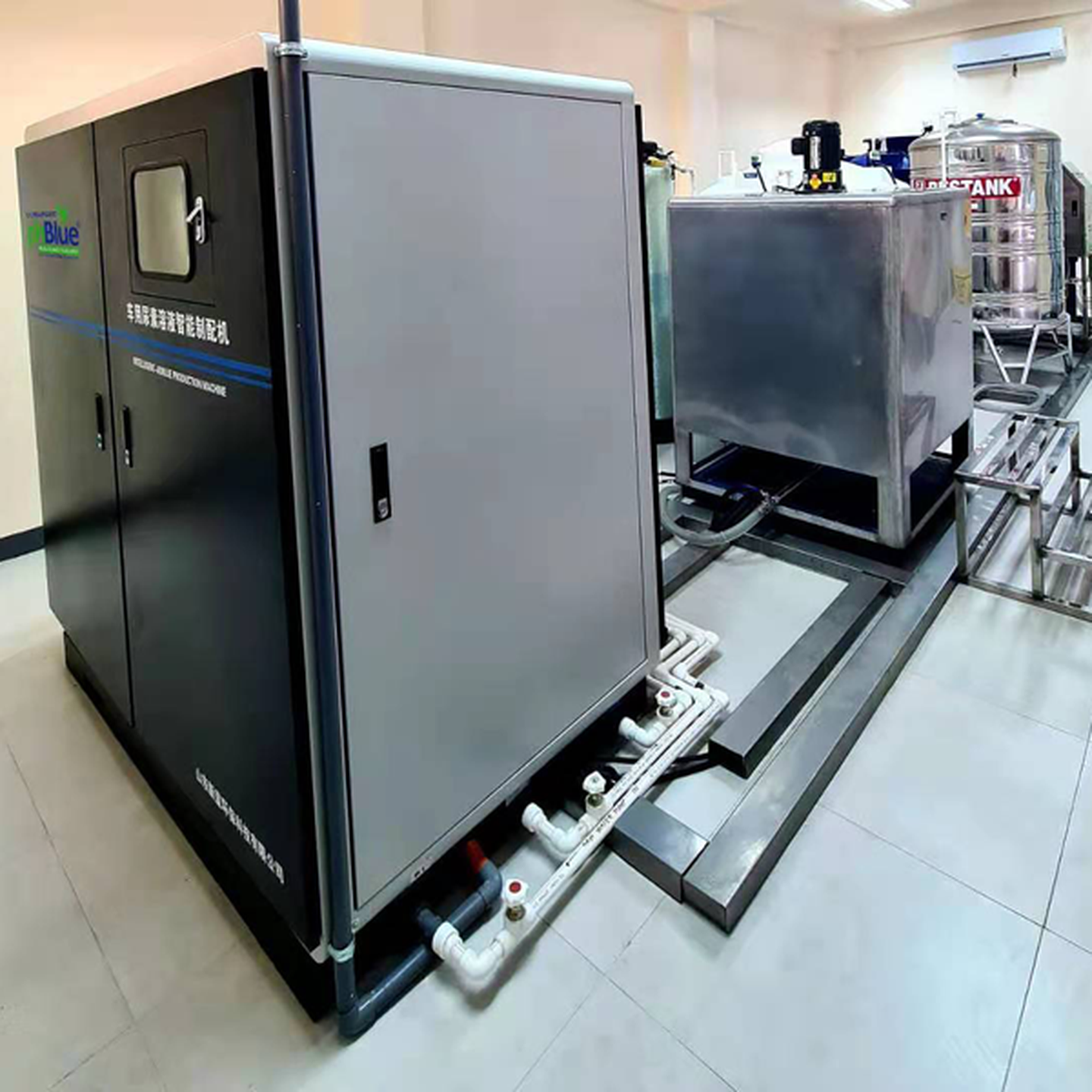
Urea Solution for Power Plant Denitrification: SCR Systems, Benefits & Future Trends
As global emissions regulations tighten, coal-fired power plants urgently need reliable solutions to reduce nitrogen oxide (NOx) emissions. Among leading denitrification technologies, Selective Catalytic Reduction (SCR) stands out for its high performance, and urea solution has become the preferred reducing agent due to its safety, cost-effectiveness, and environmental benefits. This guide explores why urea is revolutionizing NOx removal in power plants, its operational workflow, and future innovations.
In SCR denitrification systems, urea solution (typically 40-50% concentration) is injected into flue gas ducts, where it decomposes into ammonia (NH3) under high temperatures. The ammonia then reacts with NOx pollutants on SCR catalysts (e.g., V₂O₅-WO₃/TiO₂), converting them into harmless nitrogen gas (N2) and water (H2O).
Key Chemical Reactions:
Urea to Ammonia:
CO(NH2CO(NH2
SCR NOx Reduction:
4NO+4NH3+O2→4N2+6H2O4NO+4NH3+O2→4N2+6H2O


Why is urea solution the safer, greener choice for SCR denitrification?
Eliminates Safety Risks
Unlike flammable liquid ammonia, urea is non-toxic, non-explosive, and easy to store-critical for compliance with power plant safety standards.
Reduces Environmental Impact
Urea decomposition produces only NH3 and CO2, avoiding secondary pollution. Perfect for eco-friendly power generation.
Lowers Operational Costs
Urea is cheaper than liquid ammonia, with stable global supply chains. Ideal for cost-sensitive power plants.
Flexible for Small-to-Medium Facilities
Adjustable solution concentrations (40-50%) suit diverse plant sizes, even in space-constrained sites.
Maximize NOx removal efficiency with these best practices:
Step 1: High-Purity Urea Preparation
Use industrial-grade urea (99% purity) to avoid catalyst poisoning.
Mix with deionized water to prevent pipe corrosion.
Step 2: Smart Storage & Delivery
Install heated storage tanks to prevent urea crystallization in cold climates.
Use precision dosing pumps for consistent NH3 generation.
Step 3: Efficient Atomization
Optimize nozzle design for uniform spray distribution in flue gas ducts.
Maintain duct temperatures above 180°C to avoid byproducts like cyanuric acid.
Step 4: Monitor Catalyst Performance
Track SCR catalyst activity and replace modules when efficiency drops below 80%.
Keep ammonia slip under 3 ppm to meet EPA standards.

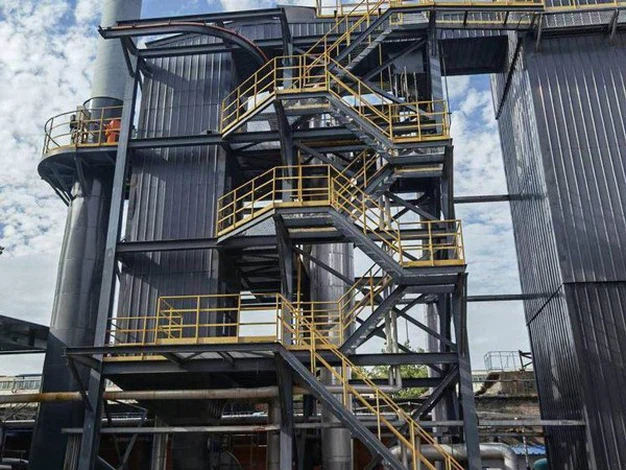
The next generation of SCR systems will focus on:
AI-Powered Urea Dosing
Machine learning algorithms analyze real-time NOx levels and flue gas data to optimize urea consumption.
Low-Temperature Catalysts
New catalysts enable SCR reactions at 150-200°C, slashing energy costs by 20%.
Carbon-Neutral Integration
Pair urea SCR with CO2 capture systems to achieve net-zero power plant emissions.
Q: Is urea solution compatible with all SCR systems?
A: Yes, but retrofitting may require upgraded atomization nozzles and temperature controls.
Q: How much urea is needed for 500 MW power plants?
A: Typically 0.5-1 ton/hour, depending on NOx levels and coal quality.
Q: Can urea replace ammonia in existing SCR systems?
A: Absolutely-many plants switch to urea to enhance workplace safety and compliance.


Conclusion: Urea Solution – The Smart Choice for Cleaner Energy
For power plants targeting EPA compliance, cost savings, and sustainable operations, urea-based SCR denitrification delivers unmatched value. By adopting smart urea dosing systems and advanced catalysts, utilities can achieve 90%+ NOx reduction while preparing for a carbon-neutral future.
Need a customized urea SCR solution? [Contact our experts] to optimize your plant's emissions control strategy.
NewBlue
New blue has over ten years of export experience of NOx Reduction Agents, with high-quality and stable products that comply with ISO22241 standards.
The products mainly include:Power Plant DeNox Urea,Urea DeNOx,Power Plant Urea,AdBlue® solution,Automotive Grade Urea,Production Equipment For AdBlue®,Dispenser For AdBlue®,DPF Cleaning Equipment, Car Care Products and so on.